










Umbrella and Excess Liability: Cover Above the Policy Limit
When a serious injury exceeds your non-owner limits, an umbrella policy pays the difference. Who needs one, what it costs and the…
If you drive a car you do not own, a standard auto policy may not be available — and a non-owner policy may be all you need. Here is how coverage, pricing and state rules actually work, with 2026 rate data.
Crazy 3D Game Offroad 6x6 Jeep Driving. 6x6 Offroad Monster Truck Driving Simulator is out now! Get yourself behind the steering of a heavy-duty monster truck and enjoy the ride. Jeep racing and fast…
Play now ▸ View all





When a serious injury exceeds your non-owner limits, an umbrella policy pays the difference. Who needs one, what it costs and the…

An SR-22 is a certificate, not a policy. How the filing works on a non-owner policy, which carriers write it, and what…

Borrowed-vehicle damage, regular use, delivery work, owned vehicles and racing. The exclusions that turn a covered crash into a denied claim.
 Cost & Rates
Payment Plans, Discounts and Fees on Non-Owner Policies
Paying monthly can cost 8–12% more than paying in full, and three discounts are usually available without any change in coverage.
 Cost & Rates
How Much More Do Higher Limits Cost on a Non-Owner Policy?
Moving from state minimum to 100/300 usually costs $200–$350 a year. The premium curve for each limit step, and where the value peaks.
A suspension does not require a vehicle to fix. The non-owner SR-22 route, the carriers that write it and the documents that speed it…
A non-owner policy insures a driver, not a vehicle. Who qualifies, what documentation is required, and why some applications are declined outright.
When a driver splits time between two addresses, which policy covers them? The garaging rules, the listed-driver questions and where a non-owner policy fits.
Selling the car does not end the need for liability cover if you still drive occasionally. The eligibility rules and pricing for drivers over…
Two DUIs, a lapse and a suspended licence: what the non-standard market will accept, and how to move back to standard pricing.
 Cost & Rates
Payment Plans, Discounts and Fees on Non-Owner Policies
 Cost & Rates
How Much More Do Higher Limits Cost on a Non-Owner Policy?
 Cost & Rates
Driving Record: What a Ticket, an Accident or a DUI Costs
 Cost & Rates
Non-Owner Insurance by Age: Who Pays Most and Why
 Cost & Rates
How Credit History Changes Non-Owner Premiums
 Cost & Rates
Non-Owner Insurance Cost by State: 2026 Ranking
 Cost & Rates
Average Non-Owner Insurance Cost in 2026
A non-owner claim turns on three questions: was the driver listed, was the vehicle covered, and did the policy respond as primary or excess? Every case below is a real dispute pattern, with the invoice and the payout.
Pennsylvania lets drivers choose full or limited tort — and that choice changes what a non-owner policy is worth after an injury.
Illinois requires uninsured motorist coverage on every policy — including non-owner policies. Minimum limits, filing rules and what the state verifies electronically.
Georgia requires 25/50/25 and accepts non-owner policies for drivers without a vehicle. What the state checks, what it costs, and where the…
New York requires liability, PIP and uninsured motorist coverage — and a non-owner policy has to satisfy all three. How the filing…
Florida is a no-fault state with a PIP requirement that applies even to drivers without a vehicle. What a non-owner policy must…
California’s 15/30/5 minimum is the lowest liability requirement in the country. Here is how a non-owner policy works around it, and where…
State Rules
7 guides
Minimum limits, filing rules and non-owner requirements state by state.
Coverage Types
7 guides
Liability, uninsured motorist, medical payments and what each one actually pays.
Cost & Rates
7 guides
Average premiums, rating factors and the levers that move your price.
 Claims & Cases
8 guides
Real claim scenarios: what was covered, what was denied and why.
 Eligibility
7 guides
Who qualifies for a non-owner policy, and how underwriting decides.



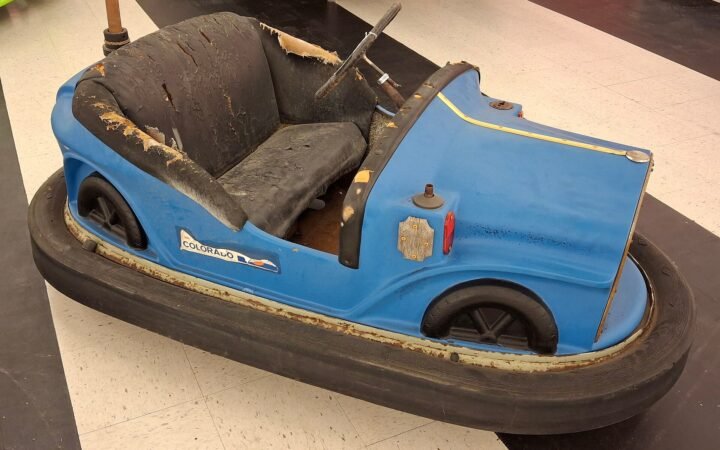

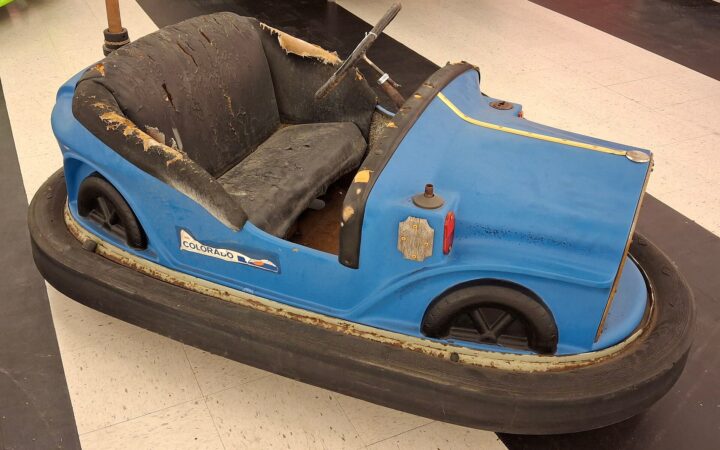
The car owner's insurance pays first, your non-owner policy pays second, and the sequence breaks in five specific situations every borrower should…

Two drivers with identical records can be quoted $340 and $780 for the same non-owner limits in the same city. Here is…
A suspension does not require a vehicle to fix. The non-owner SR-22 route, the carriers that write it and the documents that…

They sound interchangeable and they are not. One follows you as a driver, the other follows a rental agreement. Picking wrong either…
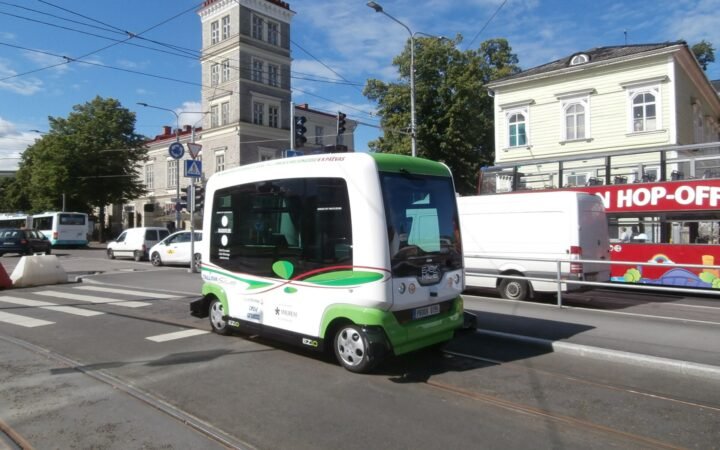
A non-owner policy insures a driver, not a vehicle. Who qualifies, what documentation is required, and why some applications are declined outright.
Two claims for one collision, a mismatched repair invoice and a referral to the state fraud bureau. How duplicate claims get caught.
No. That is the entire point of the product. A non-owner policy covers your liability while driving a vehicle you do not own — a rental, a borrowed car, a car-share or a company vehicle.
Usually, yes. There is no vehicle to repair or replace, so the physical-damage portion disappears. Typical non-owner premiums run 30–55% below a comparable full-coverage policy for the same driver.
It covers your liability for injuring someone or damaging their property. Damage to the borrowed car itself is normally excluded — that is the owner’s policy or the rental company’s damage waiver.
Most states do, provided the policy meets that state’s minimum limits and is filed correctly. A handful of states require an owner policy or a specific non-owner filing — check the state guide before you buy.
The non-owner policy usually has to be converted. Most insurers allow a mid-term conversion to a standard auto policy; driving a newly purchased car on a non-owner policy can void coverage.
Every state sets its own minimum limits, filing rules and non-owner requirements. Start with the state you live in.