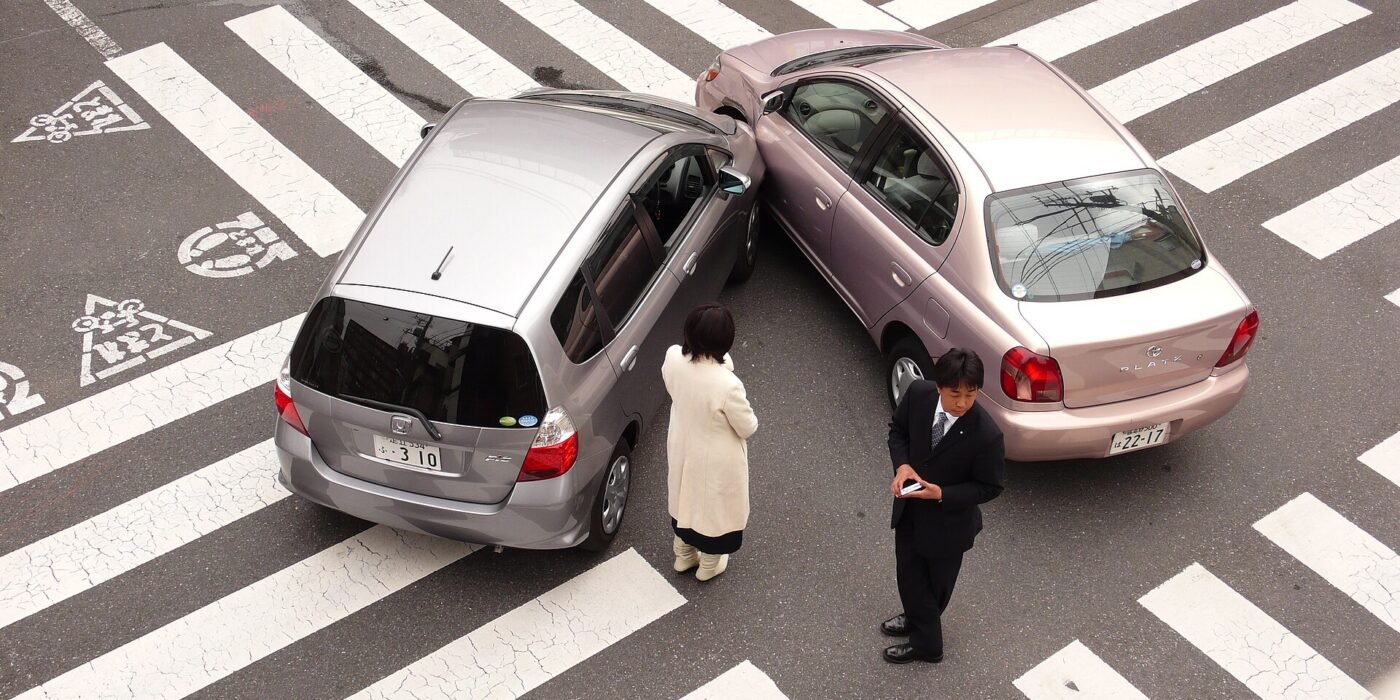
This is the most common non-owner claim: a driver with no car of their own borrows a friend’s vehicle, misjudges a turn, and damages a parked car. The liability sits with the driver, the physical damage sits with the owner’s policy, and the borrower usually ends up paying a deductible they did not expect.
The facts
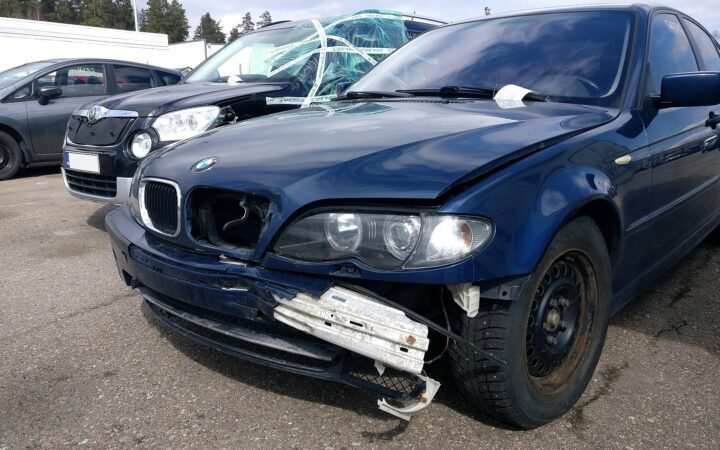
A 29-year-old driver with a non-owner policy at 50/100/25 borrowed a friend’s compact SUV for a weekend move. Reversing out of a tight space, they struck a parked sedan, damaging the rear quarter panel, bumper and a parking sensor array. Repair estimate: $7,400.
The borrowed car had minor scuffing on the rear bumper. The parked car’s owner filed with their own insurer, which paid $7,400 and subrogated against the non-owner policy.
How the claim was paid
The non-owner policy’s property damage liability responded for the full $7,400, under a $25,000 limit. No deductible applied because PD liability carries none. The claim was settled in 19 days.
The damage to the borrowed SUV was excluded — there is no physical damage coverage on a non-owner policy. The friend’s collision coverage paid $1,150 minus a $500 deductible, which the borrower paid voluntarily to keep the relationship intact.
| Item | Amount | Paid by |
|---|---|---|
| Parked car repair | $7,400 | Non-owner PD liability |
| Borrowed car repair | $1,150 | Owner’s collision, less $500 deductible |
| Deductible | $500 | Borrower, voluntarily |
| Premium surcharge (3 yrs) | ~$760 | Borrower |
The regular-use question
The insurer reviewed whether the borrowed vehicle was furnished for regular use. The borrower had used it twice in four months, both disclosed at the time of the claim, and the carrier accepted that it was occasional. Had the pattern been weekly, the claim would likely have been denied.
What the driver would do differently
Two changes would have improved the outcome: confirming that the friend’s policy covered permissive drivers without restriction, and photographing the parked-car damage immediately rather than after moving the vehicle.
Cost outcome
Total out of pocket for the borrower: $500 deductible plus a $1,150 voluntary contribution. The non-owner premium rose 34% at renewal for three years — roughly $760 in additional premium — because the claim was rated as at-fault.
- Property damage liability paid the third-party repair in full.
- The borrowed vehicle was not covered by the non-owner policy.
- Regular-use review is standard on borrowed-car claims.
- The at-fault surcharge costs more than the deductible in most cases.
Fault disputes in parking-lot claims are common. A timestamped photo of both vehicles in position is the single strongest piece of evidence a driver can produce.
Key takeaways
- PD liability responds for the third party; the borrowed car is excluded.
- No deductible applies to liability coverage.
- Frequency of use determines whether the regular-use exclusion bites.
- An at-fault claim typically raises a non-owner premium by a third.