Claim fraud is not usually elaborate. The most common pattern is a duplicate submission — the same damage claimed twice, through two policies or two channels. This case shows how analytics caught it, and what happened to the insured.
The facts
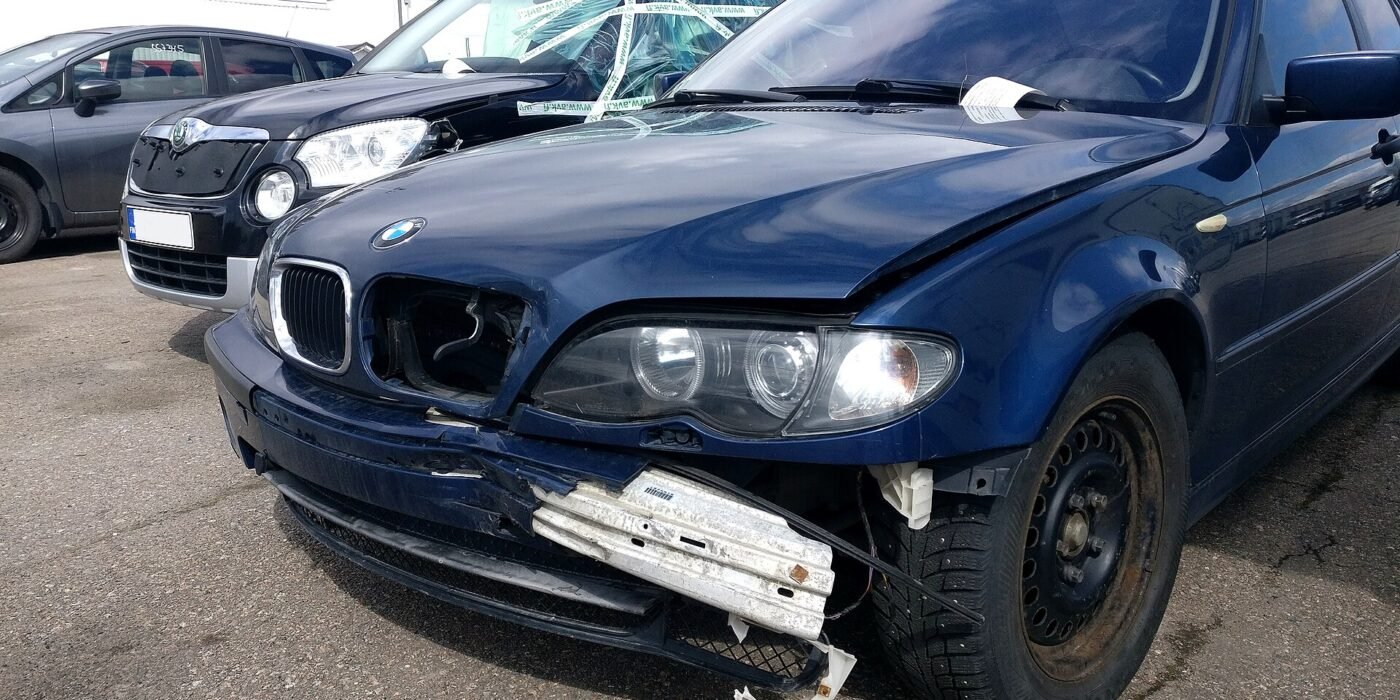
A driver with a non-owner policy reported a collision with a bollard in a car park, claiming $3,800 of damage to a borrowed vehicle. The claim was submitted under the third-party liability section, describing damage to “another vehicle”.
Eleven weeks later, a second claim was filed for the same date, describing a different vehicle and a different location, with a repair invoice that listed the same parts numbers.
How it was caught
The carrier’s analytics matched the vehicle identification number embedded in the invoice, the repair shop’s tax ID, and the loss date. Duplicate detection in auto claims is largely automated and runs against both internal and industry databases.
The second claim was flagged before payment. The first had already been paid, and the carrier issued a recovery demand.
| Red flag | What carriers check | Outcome |
|---|---|---|
| Same loss date | Internal + industry databases | Duplicate flagged |
| Matching part numbers | Invoice line items | Recovery demand |
| Different described vehicle | VIN in invoice | Claim denied |
| Repeat repair shop | Shop network history | Network review |
The consequences
The policy was cancelled and the matter referred to the state insurance fraud bureau. Because the amount was under the state’s felony threshold, the case resolved as a civil recovery plus a cancellation, with a flag on the insured’s record that affects future applications.
The repair shop was removed from the carrier’s direct-repair network pending review.
Why non-owner policies attract this
Non-owner claims are unusual in structure — no vehicle of record, no collision coverage — and a small minority of claimants treat that ambiguity as an opportunity. Carriers respond with tighter documentation requirements, which is why legitimate claims on these policies sometimes feel over-scrutinised.
The legitimate version of this claim
A genuine claim for damage caused to a third party requires: a police or incident report, photographs, the third party’s details, and an invoice addressed to the third party. Claims missing any of those are slowed, not denied — but the scrutiny is real.
- Duplicate claims are detected automatically, not manually.
- Invoice part numbers and VINs link separate submissions.
- Consequences include cancellation and a fraud-bureau referral.
- Legitimate claims need documentation addressed to the third party.
Even unintentional duplicate submissions — through a rental company and a personal policy, for example — trigger recovery demands. Tell every party what has already been claimed.
Key takeaways
- Duplicate detection is automated and cross-database.
- Fraud flags follow the insured, not the policy.
- Documentation quality determines how fast a legitimate claim closes.
- Non-owner claims face tighter scrutiny by design.