Uninsured motorist coverage (UM) pays for your injuries when the driver who caused the crash has no insurance. Underinsured motorist coverage (UIM) pays when that driver has insurance but not enough. On a non-owner policy these are often the only first-party benefits available, which makes them the highest-value optional coverage on the contract.
How UM actually works
You file the claim with your own insurer, not the other driver’s. Your insurer pays your medical costs, lost wages and — depending on the state — non-economic damages, up to the UM limit. It then has the right to pursue the uninsured driver, though recovery is usually minimal.
UM is written at the same two-number structure as bodily injury liability: per person and per accident. Some states require it to match the BI limit; others allow a lower figure.
UIM and the gap
UIM pays the difference between what the at-fault driver’s policy pays and what your claim is worth, up to your UIM limit. If the other driver carries 25/50 and your injury is worth $120,000, UIM at 100/300 fills the gap.
This is why UIM deserves the same limit as your liability coverage. A driver who buys 100/300 BI but 25/50 UIM has protected strangers better than themselves.
| Coverage | Pays for | Who pays out |
|---|---|---|
| Uninsured motorist (UM) | Your injuries, uninsured at-fault driver | Your insurer |
| Underinsured motorist (UIM) | The gap above the at-fault driver’s limit | Your insurer |
| UMPD | Your vehicle damage, uninsured driver | Your insurer (few states) |
| Bodily injury liability | Other people’s injuries | Your insurer |
State variation that matters
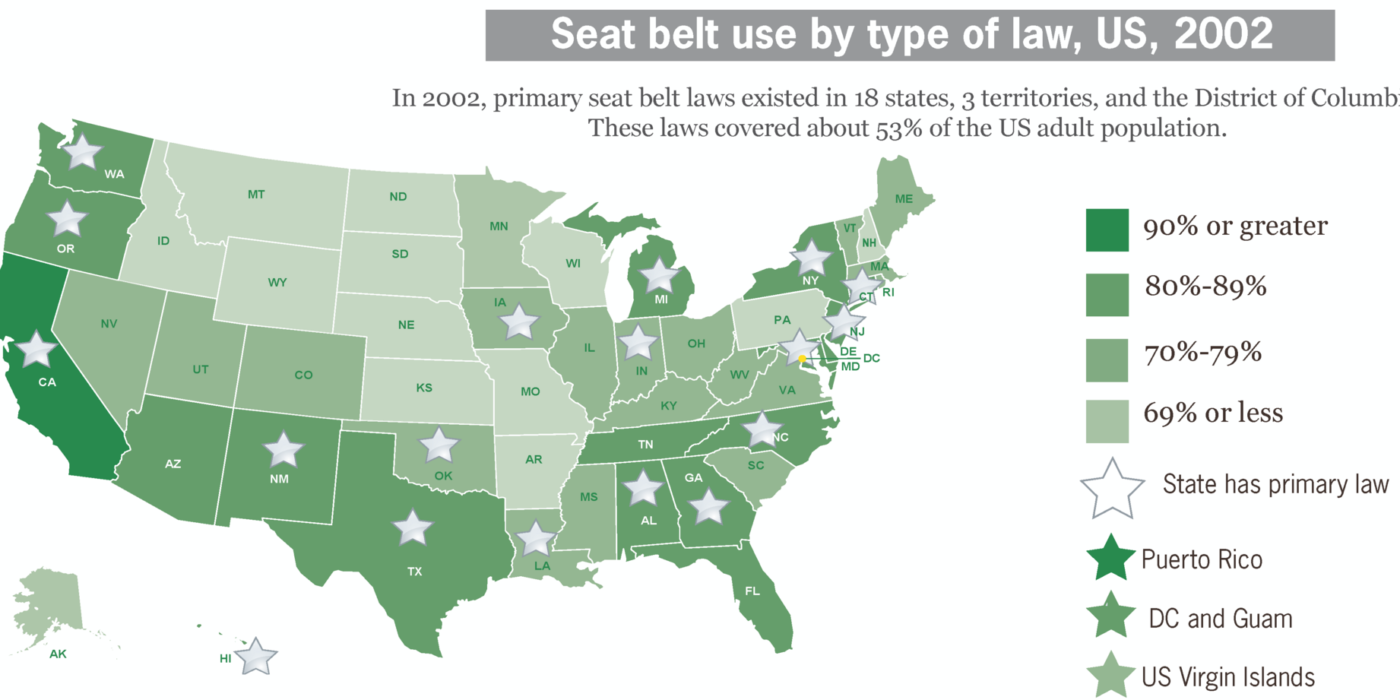
Around twenty states require UM in some form; Illinois and New York are strict, while California and Texas make it optional. A handful of states require insurers to offer UIM as well. Where the coverage is optional, it must usually be declined in writing.
Why non-owner buyers need it most
A non-owner policyholder usually has no health insurance tailored to auto injuries, no PIP in most states, and no collision claim to fall back on. If an uninsured driver injures them, UM is the entire recovery route apart from health insurance and litigation.
Cost
UM typically adds 5–12% to a non-owner premium; UIM adds a similar amount. At 50/100 on a $600 policy, the pair usually costs $70–$140 a year — the best value on the contract by a wide margin.
- UM pays you when the at-fault driver has no insurance.
- UIM fills the gap when the other driver’s limits are too low.
- UM follows the person, so it applies in borrowed or rental cars.
- Cost is small relative to the protection it provides.
The most common underinsurance mistake is a high liability limit paired with a low UIM limit. If you would not injure a stranger for $25,000, do not insure yourself for $25,000 either.
Key takeaways
- UM/UIM are first-party coverages — they pay you, not the other driver.
- UIM covers the shortfall when the at-fault driver is underinsured.
- The coverage follows the insured person into borrowed and rental cars.
- Adding UM/UIM costs a fraction of the protection it buys.