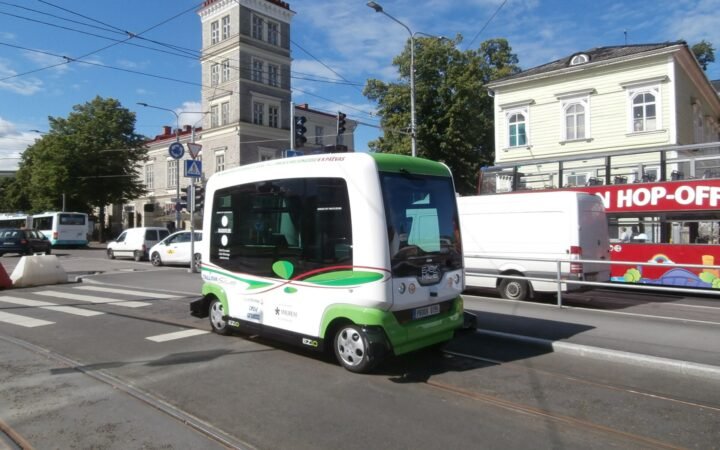
Frequent car-share users are the fastest-growing group buying non-owner policies. The logic is simple: platform coverage is limited, rental liability is thin, and a personal liability policy closes the gap for a fraction of the cost of owning a car.
What platform coverage actually provides
Car-share platforms typically provide liability coverage at or near state minimums while the vehicle is on rent, often with a deductible for damage. That is enough to satisfy the law, not enough to protect a driver with assets if a serious injury occurs.
Rental companies provide the legal minimum plus the option of a damage waiver. The liability piece is usually at state minimum, which in California means 15/30/5.
Where a non-owner policy adds value
A non-owner policy with 100/300 liability sits above the platform coverage and responds when the platform’s limit is exhausted — subject to the policy’s other-insurance clause and the order of priority, which usually makes the platform primary while the car is on rent.
It also covers you in a friend’s car, which no platform policy does.
| Situation | Platform/rental cover | Non-owner policy |
|---|---|---|
| Liability limit | State minimum | Up to 250/500 |
| Damage to the car | Damage fee or waiver | Not covered |
| Friend’s car | Not covered | Covered |
| Injury to you | Limited | UM/UIM available |
| Cost | Per trip | Monthly |
Eligibility considerations
Car-share users qualify as long as they do not have a vehicle registered in their name. Some carriers ask how often you rent; frequent rental use is not a bar to coverage, but commercial use is.
If you rent through a business account or drive for work, disclose it. Business use of a rental is excluded on personal policies.
Is it cheaper than platform protection?
A non-owner policy at $60–$90 a month is usually cheaper than paying for the platform’s elevated protection tier on every trip, and it covers more situations. For someone renting twice a month, the crossover point comes quickly.
What it will not do
It will not pay for damage to the shared or rented vehicle. The platform’s damage fee or the rental waiver handles that, and no personal liability policy changes it.
- Platform coverage usually sits at state minimum liability.
- A non-owner policy adds limits above the platform’s cap.
- Shared-vehicle damage remains the platform’s or waiver’s responsibility.
- For twice-monthly renters, the policy is often cheaper overall.
Most non-owner policies treat the platform or rental coverage as primary while the vehicle is on hire. The personal policy responds above that limit — which is exactly what you want, as long as you know the order.
Key takeaways
- Car-share and rental users are core non-owner buyers.
- Platform liability is usually at state minimums.
- The personal policy covers borrowed cars too.
- Vehicle damage is never covered by a liability-only policy.