

Introduction
If you occasionally drive vehicles you don’t own, understanding what protection you have is essential. Non-Owner Car Insurance is designed to provide liability coverage for drivers who do not own a car, but many people are unsure exactly what it includes. A common question in the U.S. is: “What does non-owner car insurance cover?”
This article explores the coverage in detail, including what is included, what is excluded, how coverage interacts with vehicle owner policies, and tips for selecting the right limits to meet your needs.
How Non-Owner Car Insurance Coverage Works
Unlike standard auto insurance, non-owner policies are tied to the driver rather than a specific vehicle. They provide liability protection when you drive borrowed or rented cars, ensuring you are legally compliant and financially protected if you cause an accident.
Coverage generally does not include physical damage to the car you are driving—it protects the people and property you may harm.
Core Coverages Included
1. Bodily Injury Liability
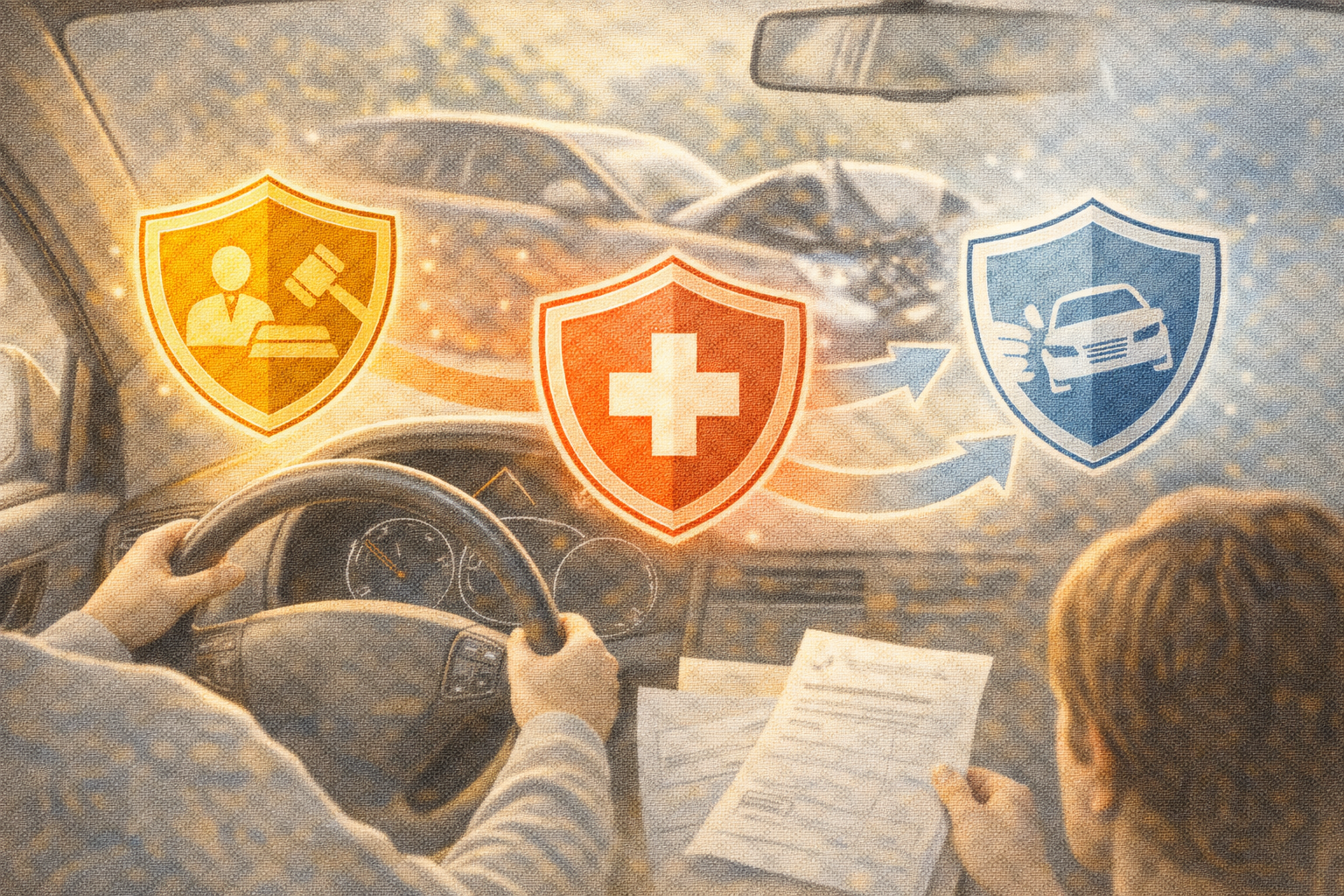
This covers injuries caused to others in an accident for which you are legally responsible. Typical coverage includes:
-
Medical bills for injured parties
-
Lost wages
-
Legal fees if you are sued
For example, if you borrow a friend’s car and cause an accident injuring another driver, your non-owner policy can cover the financial costs up to your selected limit.
2. Property Damage Liability
Property damage liability covers damage you cause to someone else’s vehicle or property, such as:
-
Other cars involved in the accident
-
Fences, street signs, or buildings
-
Damage to rented vehicles (note: rental coverage may vary)
This ensures you are not personally responsible for repair costs that could otherwise be financially devastating.
3. Legal Defense Costs
Non-owner policies often include coverage for legal expenses related to covered accidents:
-
Attorney fees
-
Court costs
-
Settlement negotiations
Even if the claim is disputed, your insurer typically handles legal defense.
Situations Where Non-Owner Car Insurance Applies
Non-owner insurance is liability-focused and applies when you drive:
-
Borrowed vehicles: Cars owned by friends or family
-
Rental cars: Short-term rental situations (may require additional coverage depending on rental company)
-
Occasional use: Driving in emergencies or errands
Tip: It usually does not cover cars you drive regularly in your household. If you drive the same car frequently, your coverage could be denied.
What Non-Owner Car Insurance Does NOT Cover
Understanding exclusions is critical:
-
Collision coverage: Damage to the borrowed car is not included
-
Comprehensive coverage: Theft, vandalism, and natural disasters are excluded
-
Regular access vehicles: Cars you drive often or co-own are not covered
-
Medical coverage for yourself: Typically not included; consider supplemental coverage if needed
This focus on liability keeps premiums low but requires careful risk consideration.
Coverage Limits and State Minimums
Each state in the U.S. sets minimum liability requirements, usually expressed as three numbers:
-
Bodily Injury per person
-
Bodily Injury per accident
-
Property Damage per accident
For example, 50/100/25 means:
-
$50,000 per person for bodily injury
-
$100,000 per accident for bodily injury
-
$25,000 per accident for property damage
Non-owner insurance can meet these minimums or be purchased at higher limits for extra protection. Higher limits provide better financial protection but increase premiums slightly.
Non-Owner Car Insurance as Secondary Coverage
When driving someone else’s car, coverage typically works as follows:
-
The vehicle owner’s policy is primary
-
Your non-owner policy may cover excess liability if damages exceed the owner’s coverage limits
This layered protection is especially important for high-value liability claims. Without it, you could be personally responsible for amounts above the owner’s coverage.
Common Misunderstandings About Coverage
Myth 1: Non-Owner Insurance Covers the Car You Drive
Reality: It does not cover physical damage. You remain responsible for repairs unless the vehicle owner’s insurance covers it.
Myth 2: Non-Owner Insurance Covers Everyone in the Car
Reality: Coverage generally only applies to the policyholder, not passengers’ injuries. Consider supplemental medical coverage or personal injury protection if needed.
Myth 3: It Only Protects High-Risk Drivers
Reality: Non-owner insurance is suitable for any driver without vehicle ownership, including low-risk drivers who occasionally drive borrowed vehicles.
How to Choose Appropriate Coverage
When deciding what limits and options to choose, consider:
-
Frequency of borrowed vehicle use
-
Potential financial exposure if you cause an accident
-
State legal requirements
-
Whether you may need SR-22 filing for compliance
Tip: Many drivers opt for slightly higher liability limits than the state minimum to avoid out-of-pocket exposure in severe accidents.
Real-World Examples
-
Scenario 1: Borrowing a friend’s car for a weekend trip
Your non-owner insurance provides liability coverage if you cause an accident damaging another car or injuring someone. -
Scenario 2: Renting a car for a short-term move
Your non-owner policy may supplement rental insurance, covering liability beyond rental company limits. -
Scenario 3: License reinstatement after suspension
Non-owner insurance with SR-22 filing meets state financial responsibility requirements without needing a personal vehicle.
Final Thoughts
Understanding what non-owner car insurance covers is critical for drivers who do not own a vehicle but occasionally drive borrowed or rented cars. Core coverage includes bodily injury liability, property damage liability, and legal defense costs, while physical damage and regular-use vehicles are excluded.
Selecting appropriate coverage limits, understanding exclusions, and evaluating your driving patterns ensures you remain legally compliant and financially protected. Non-owner car insurance provides peace of mind for U.S. drivers who need affordable, driver-focused liability protection.
I simply desired to appreciate you yet again. I do not know the things that I would have taken care of in the absence of the actual basics revealed by you regarding such a theme. It actually was a very frustrating setting in my opinion, however , considering a expert mode you treated that took me to cry over happiness. I am just thankful for your service and in addition expect you know what a great job that you are accomplishing teaching people via your blog post. I’m certain you haven’t met any of us.